

Manufacturing
Cutting and sewing: from specification to fit
The pattern determines the shape of each fabric piece and where it joins the next. Sewing brings those pieces together with the collar, cuffs, pockets, zips and hems. We carry out both operations in house, using the garment specification and sample agreed with you.

- Team
- 70 people
- In-house
- Pattern making, sampling, cutting, printing, sewing, finishing and quality control
- Initial reply
- Usually within 24 hours
Before the fabric is cut
We agree the fit, reference size and main dimensions with you first. Sleeve shape, body length, neckline, pocket position and seam placement belong in the garment specification. Each size in the range then needs a matching pattern size, since a list of wearer sizes alone does not show the shape or fit you expect.
The cutting layout places the pattern pieces on the fabric. Fabric direction, the way the fabric stretches and the position of a print can affect how the pieces should be arranged. A reference garment or sample is useful when a description such as “athletic fit” could mean different things.
For a custom sublimated jersey, we cut the polyester into the garment pieces before transferring the design. With a repeating print, the fabric may be printed by the metre before cutting. Where graphics meet across a seam, we plan the pattern, print placement and seam allowance together and check them on the sewn sample.

Specify the construction where it affects use
Two garments called “training top” can involve quite different work. A short front zip, thumb openings, contrast sleeves or a curved hem each adds a construction decision. Show us the detail, where it sits and the finish you want, rather than relying on the category name.
For garments that stretch during use, fabric, seam construction and thread need to work together. On the sample, check movement and the feel of seams against the skin, as well as neck and arm openings. A smooth look in a photograph is no proof of comfort or of a performance rating.
Pockets and closures also need a practical brief: what the pocket should hold, where it sits and how it opens. Tell us which features you need, and we will assess the proposed construction and confirm the sample specification before bulk production.


Construction up close
Close-up views of our own garments, with the visible construction identified beneath each image.
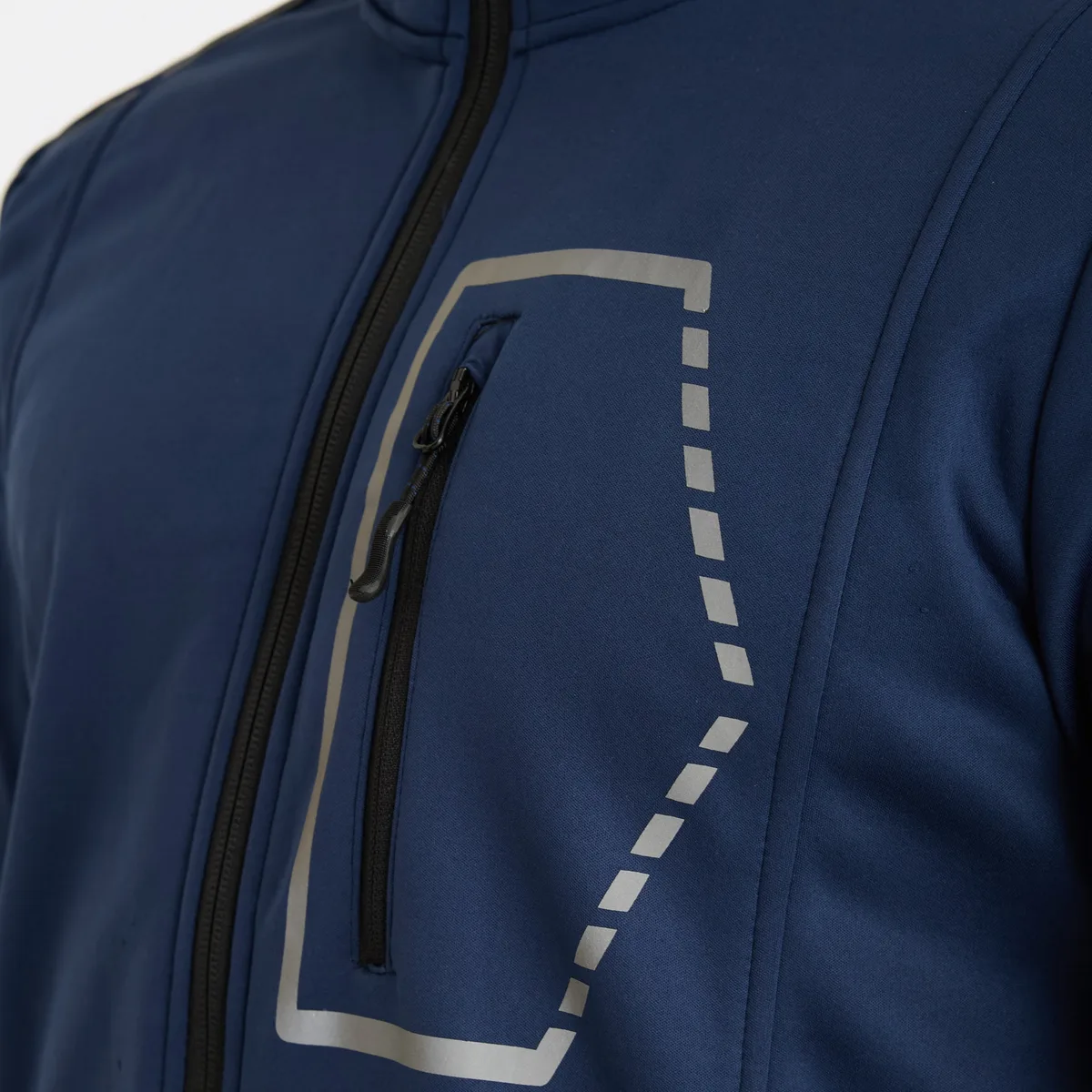
What the photographs show
Men's zip jacket with contrast trim
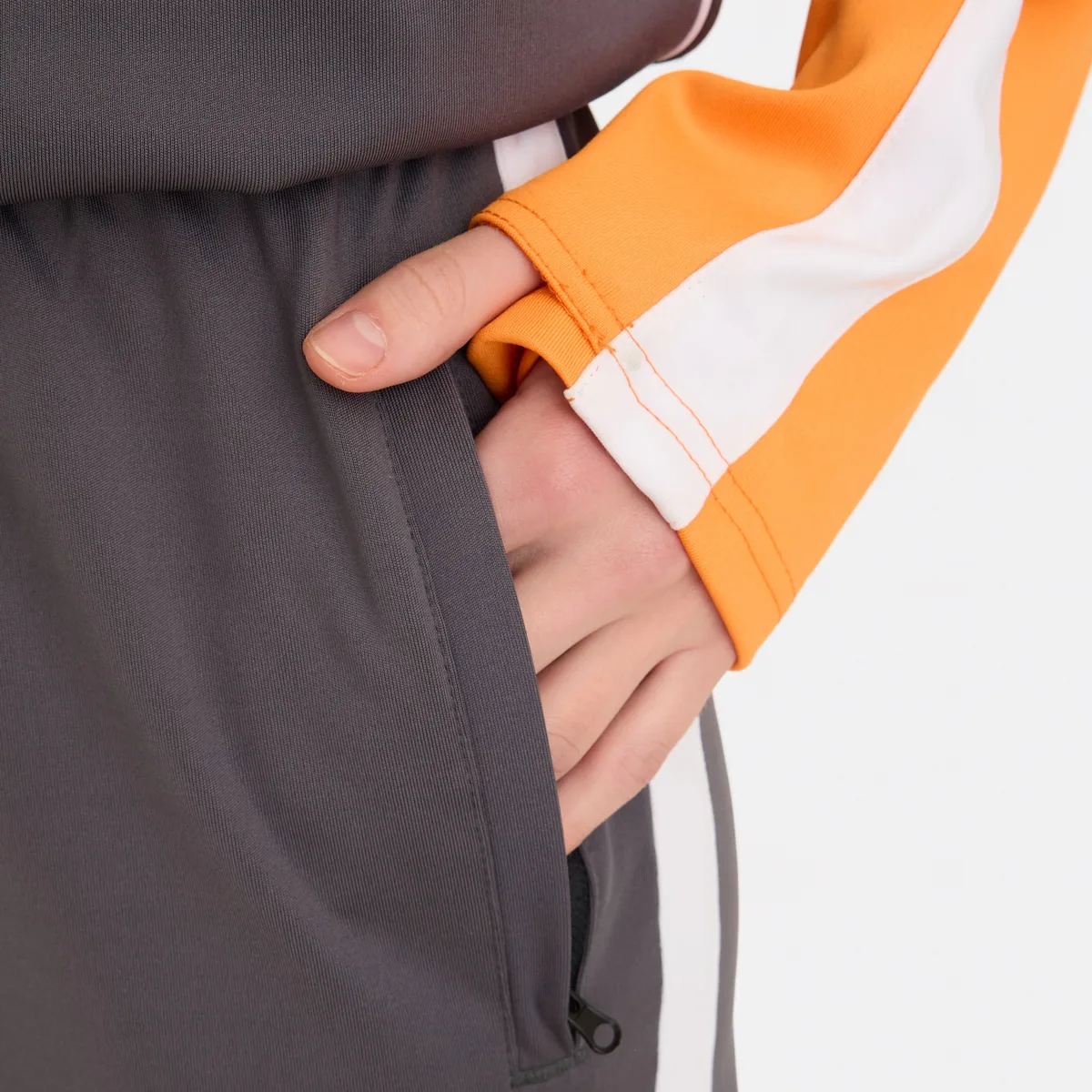
What the photographs show
Women's quarter-zip tracksuit
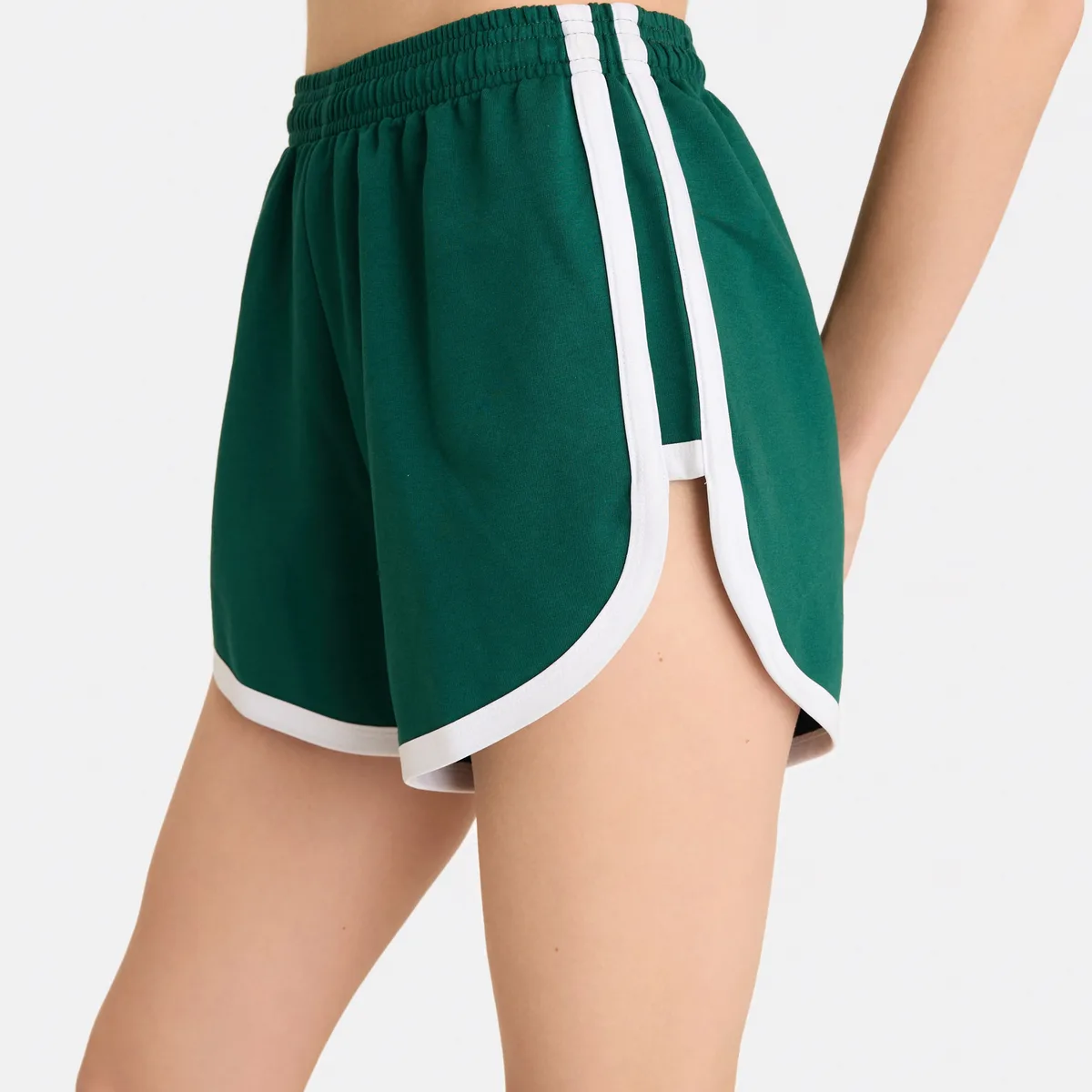
What the photographs show
Women's dolphin-hem running shorts
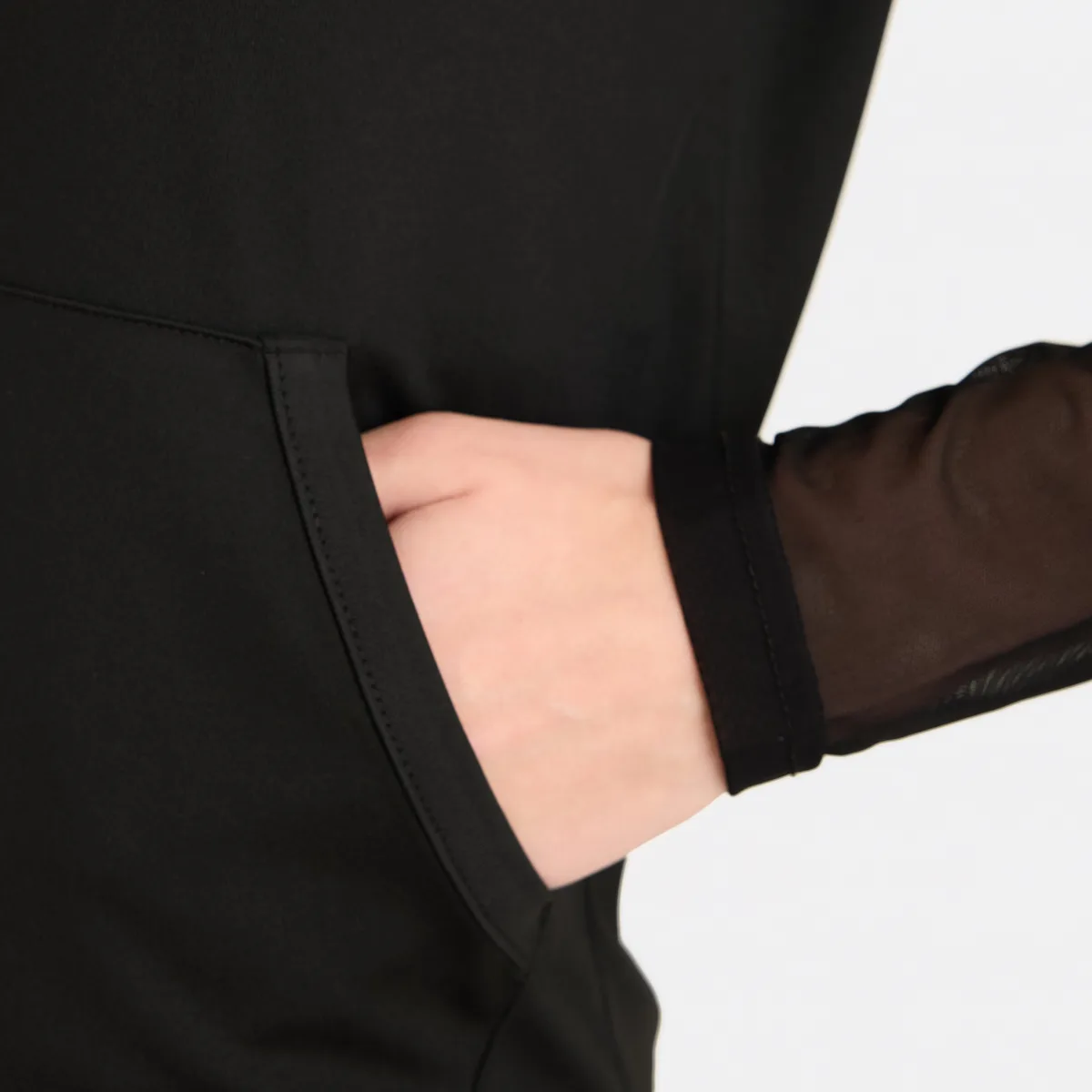
What the photographs show
Women's fitted zip hoodie with mesh sleeves
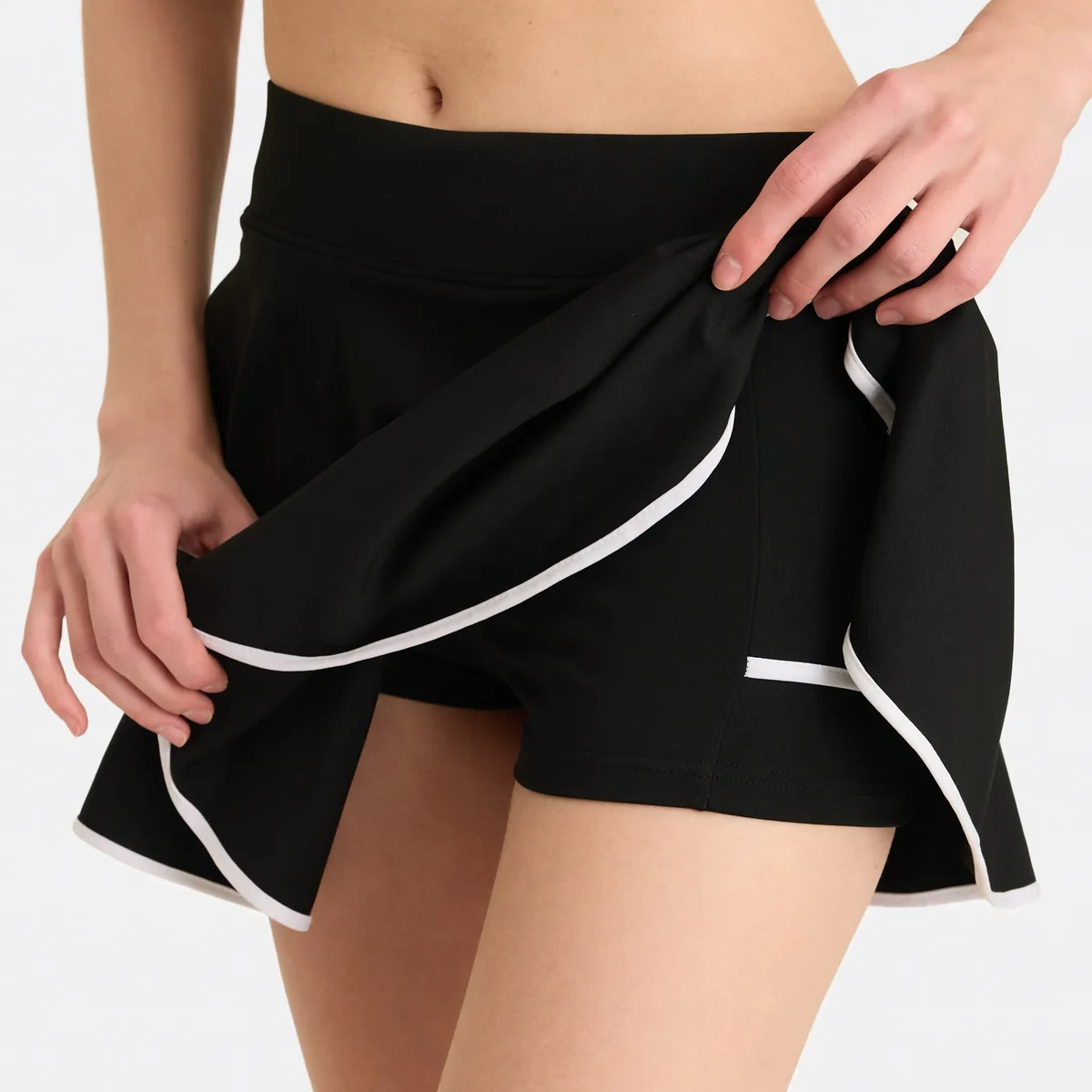
What the photographs show
Women's flared tennis skort
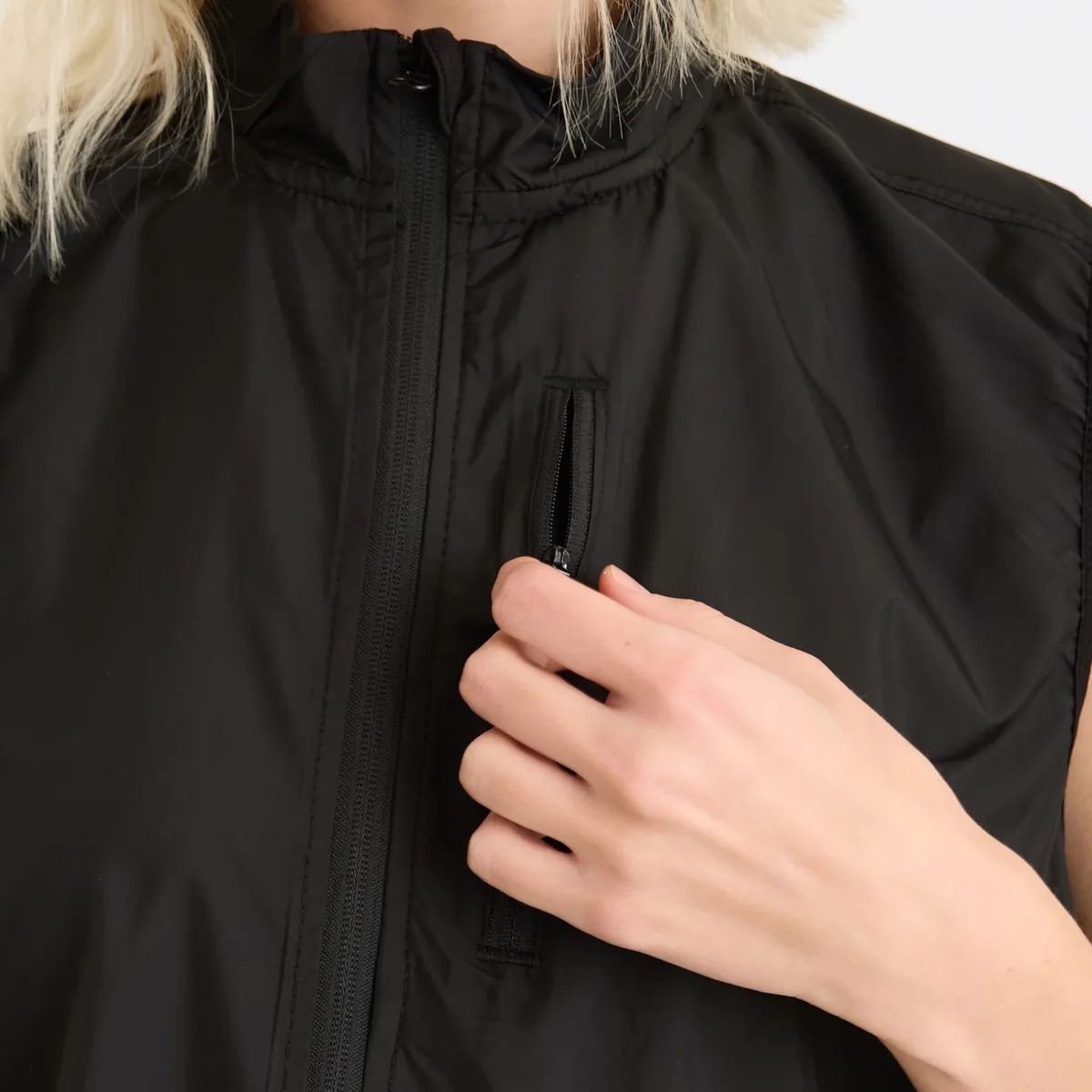
What the photographs show
Women's sleeveless zip gilet
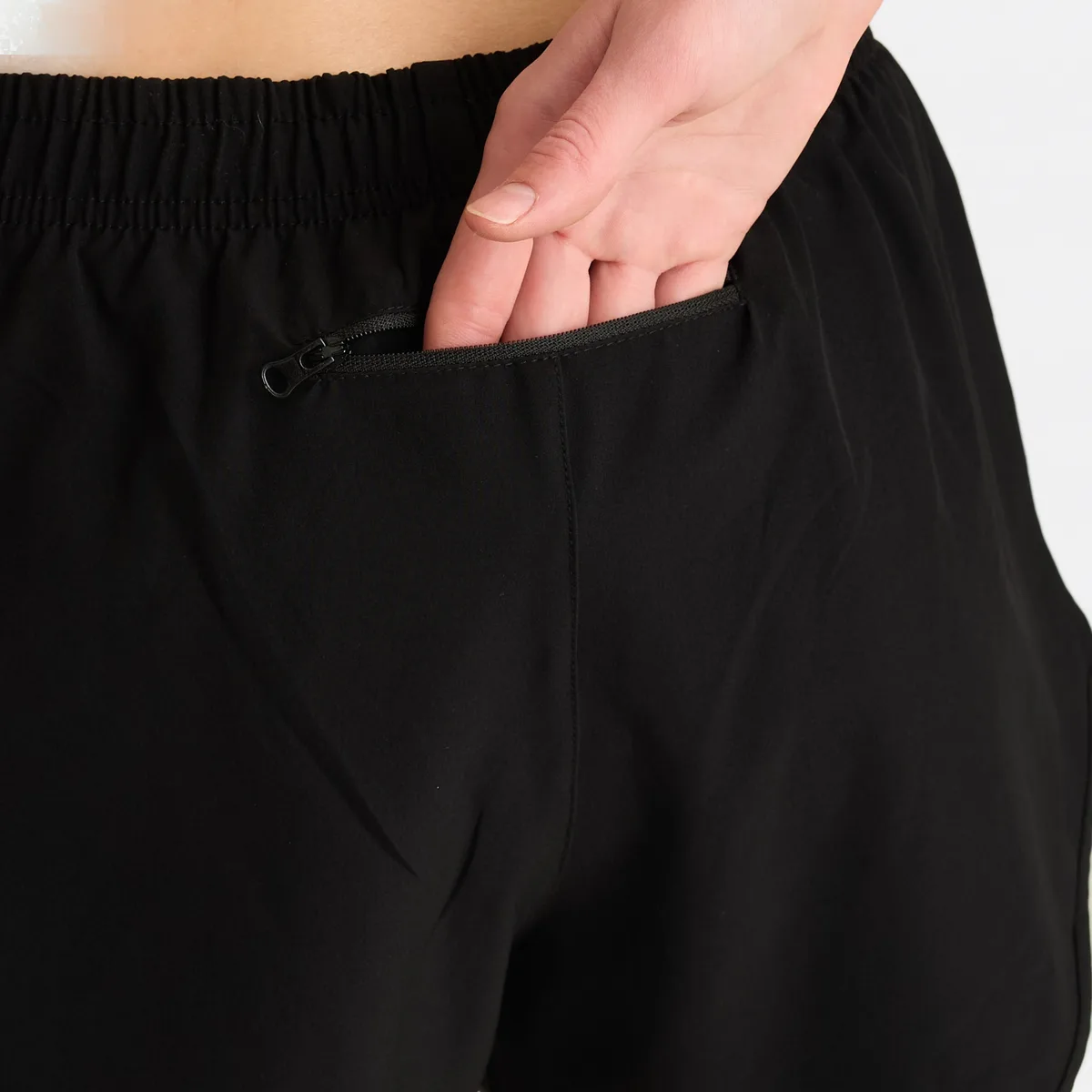
What the photographs show
Women's 2-in-1 running shorts
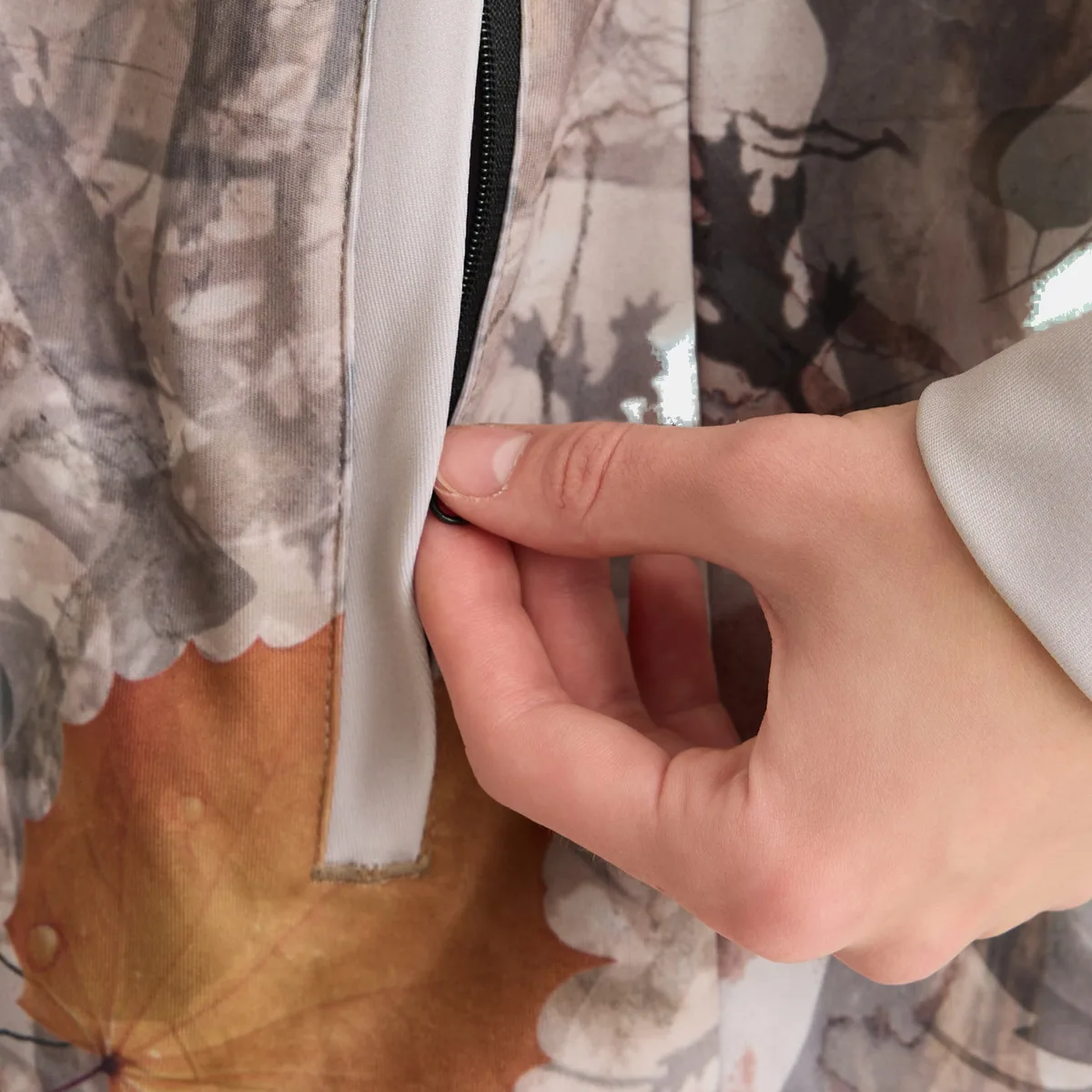
What the photographs show
Women's all-over print zip bomber


Questions and answers
Do we need to supply production patterns for cut and sew?
No, you do not need to supply production patterns. Send them if you have them, together with the specification they belong to. If you only have measurements, a drawing or a reference garment, explain the intended fit and what needs to be developed. We agree the scope of development with you before cutting, and the sewn sample shows whether the pattern gives the fit you expect.
If we change the fit, does the artwork placement need to change?
The artwork placement may need to change, because a new garment shape or size can alter the space available for the design. Necklines, sleeves and seam positions also affect where a logo or stripe sits. Review the revised pattern and the artwork together, and check the placement on the new sample rather than assuming the old position still works.
Can you develop a new pattern from a garment we already use?
Yes, we can develop a new pattern from a garment you already use. Send the garment and tell us what to keep, such as the fit or neckline, and what should change. Include the reference size, the intended size range, fabric requirements and quantities. We develop the pattern and the new sample from that brief and clarify anything missing, such as how the measurements were taken.
Send the construction details
Send a tech pack, sketch or reference garment with your fabric requirements and quantities by style and size, and point out the seams, pockets, closures and trims that must match the sample.